

Croatia Travel Guide
Croatia extends from the foothills of the Julian Alps in the north-west and the Pannonian Plain in the east, over the Dinara mountain range in its central region, to the Adriatic coast in the south.
After more than a decade of civil and ethnic unrest, Croatia is once again emerging as an attractive tourist destination. With its magnificent coastline, 1,185 islands, islets and reefs, Roman ruins and picturesque medieval villages, it is fast becoming a rival to the magical Greek islands - alluring for lovers of fun, sun, local colour, great food and a little history.
After centuries of fighting for independence, and being sliced and diced geographically to suit political and ethnic divisions, Croatia has ended up arc-shaped. Its long Adriatic coastline forms the western leg, tapering to the unique ancient seaport of Dubrovnik in the south, while the land between the rivers Drava and Sava form the northern section. The capital, Zagreb, a typical central European metropolis, combining elegant nineteenth-century architecture with plenty of cultural diversions and a vibrant café scene, sits in-between.
At the northern end of the Adriatic coast, the peninsula of Istria contains many of the country’s most developed resorts, with old Venetian towns like Rovinj rubbing shoulders with the raffish port of Pula.
Further south lies Dalmatia, a dramatic, mountain-fringed stretch of coastline studded with islands. Dalmatia’s main towns are Zadar, an Italianate peninsula town, and Split, an ancient Roman settlement and modern port which provides a jumping-off point to a series of enchanting islands. It’s on Brac, Hvar, Vis and Korcula that you’ll find the best of the beaches, as well as some lively fishing villages. South of Split lies the medieval walled city of Dubrovnik, site of an important festival in the summer and a magical place to be, whatever the season.
The most prominent feature of Croatia’s tourist industry is its Dalmatian coastline, which is indented with rocky cliffs, peninsulas and small inlets. Numerous good quality hotels and marinas have been resurrected or constructed in the past few years, and the Croatian province is once again beginning to enjoy a tourist boom reminiscent of its heyday in the 1930s. There is a special atmosphere to Croatian towns and villages, many of which are built on the sites of ancient Greek settlements dating from the 4th century BC. This, coupled with a welcoming and determined population, Mediterranean climate, scenic beauty and lush vegetation, is aiding Croatia’s rise from the ashes of war into one of the world’s tourist hot spots.
The Adriatic Coast, with its 1185 islands, islets and reefs is considered to be one of the most impressive coastlines in Europe. Finding a satisfactory way to explore this ravishing two thousand kilometers coastline in one holiday is impossible! Croatia is blessed with truly most glorious coastline which has miraculously escaped the over-development of some other Mediterranean holiday destinations.
More travel guides
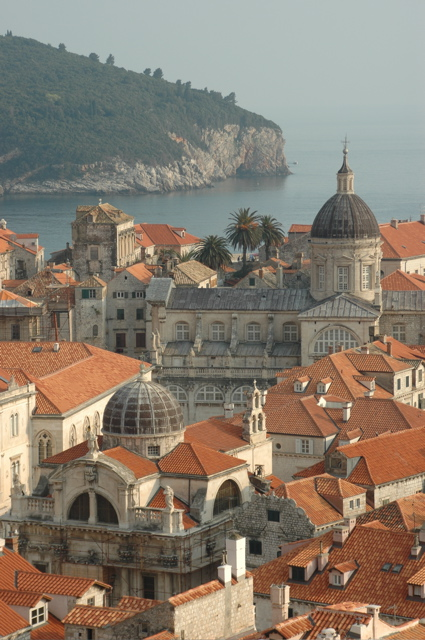
Dubrovnik Travel Guide
A walled medieval city on the Dalmatian coast, rebuilt after the 90s and now one of the Mediterranean's signature destinations.
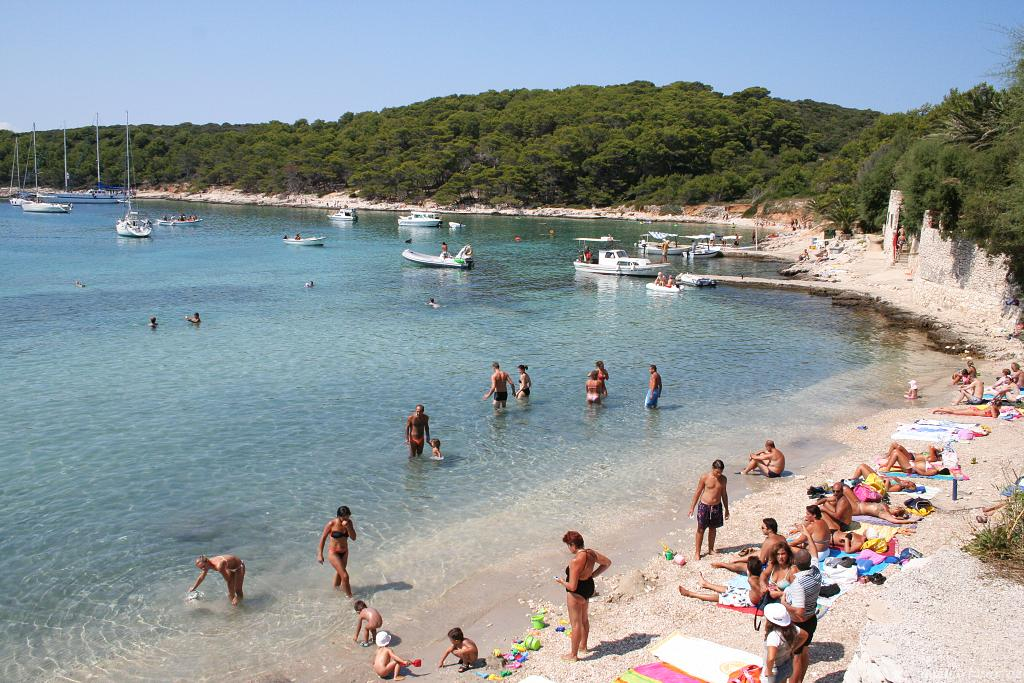
Hvar Travel Guide
Hvar town is the island's tourism centre, built around one of the largest and most beautiful squares in Croatia.
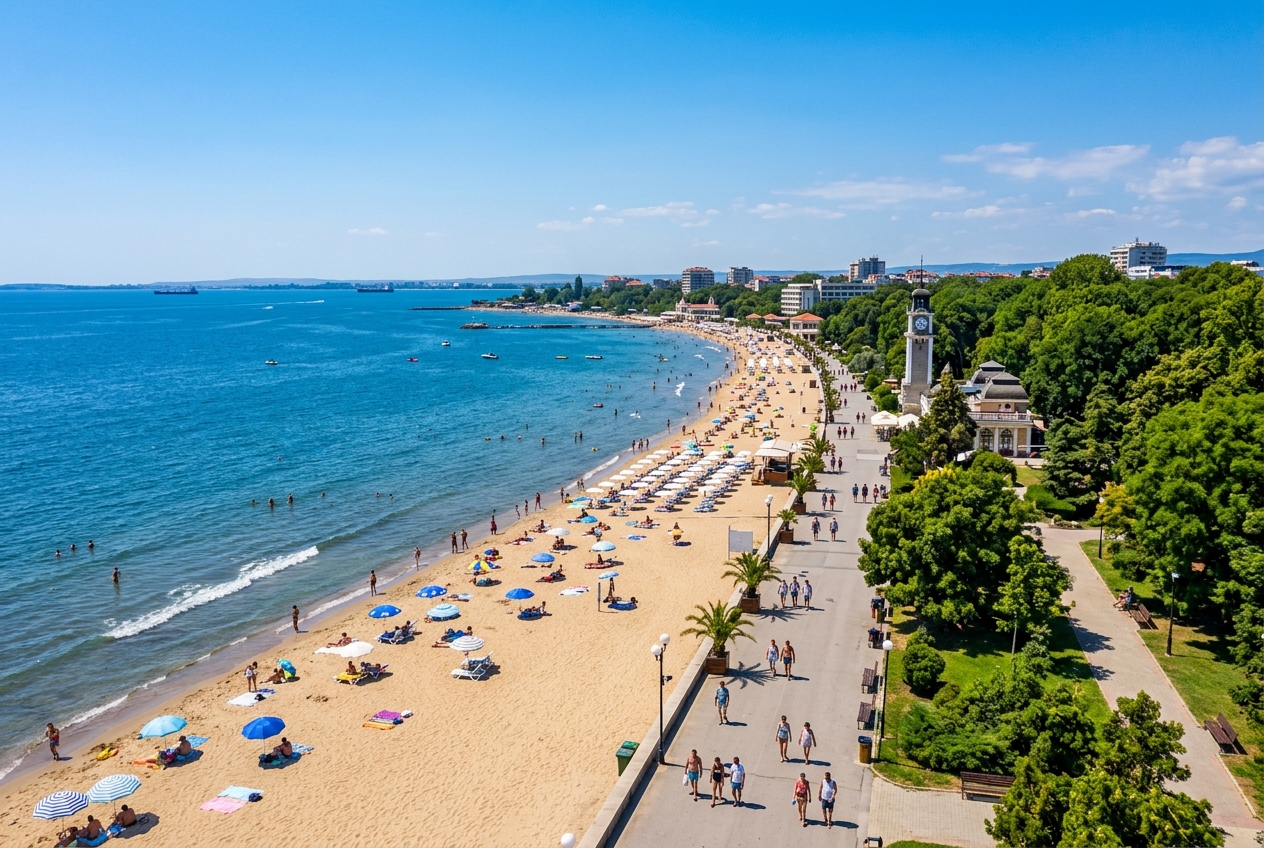
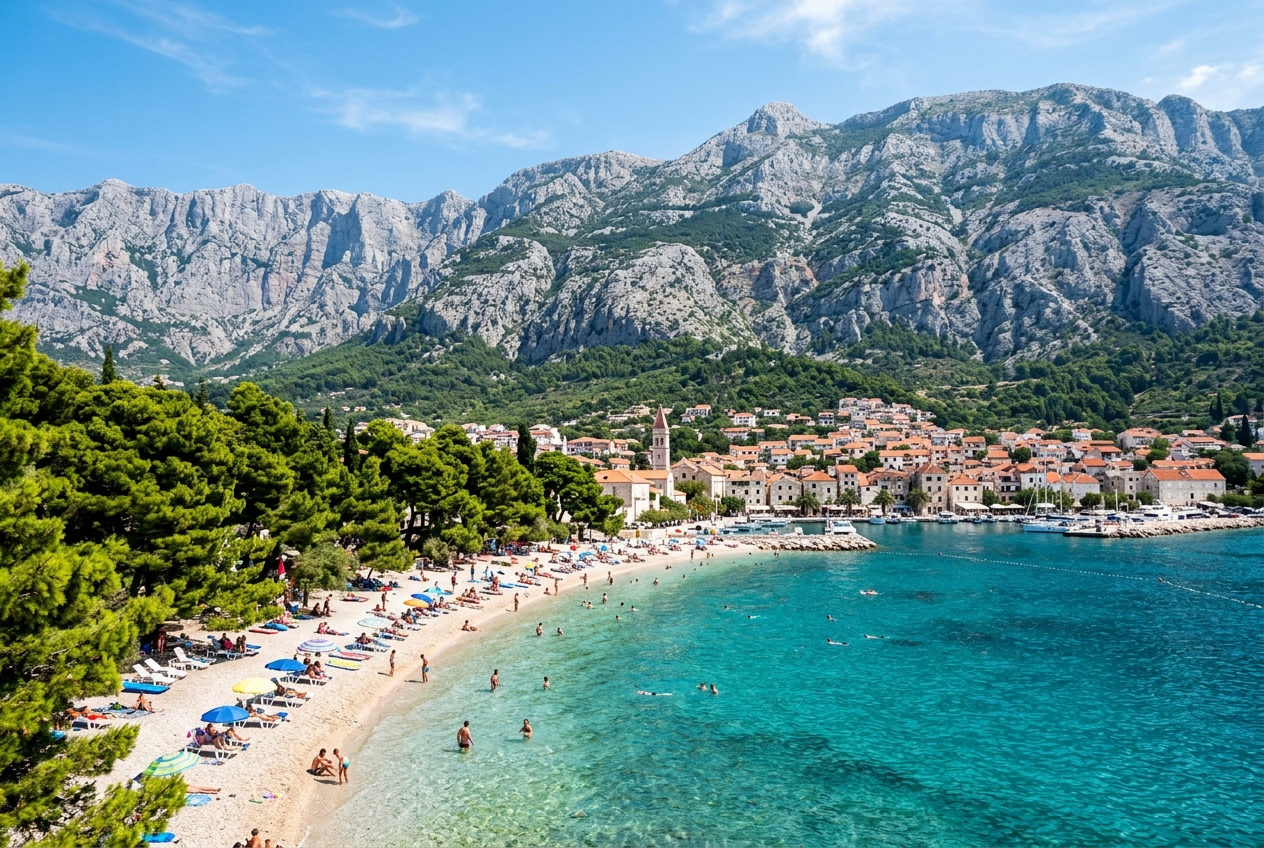
Makarska Travel Guide
Makarska grew around a natural harbour between the Cetina and Neretva rivers, beneath a picturesque peninsula.