

Biograd na Moru Travel Guide
Biograd on sea is a Croatian royal city first mentioned in the 10th century while in the 11th century it was the seat of the Croatian kings and bishops.
The city flourished as the crown city of the medieval Croatian kings and in 1102 the Hungarian - Croat king Koloman was crowned in it.
The city was destroyed by the Venetians in 1125 and the only cultural monument that survived is St. John’s Basilica (11th cent.). Remaining proof of its tumultuous past can be seen in the Native Museum.
We must emphasize a valuable hydro-archeological collection from a sunken 16th century ship found by the Gnalić rocks not far from the island of Pašman.
The parish church of St. Anastasia was built in 1761 on the remainings of the crown cathedral. It is a single-nave building with a rectangular apse. The steeple is on the northeastern side.
The front facade has a portal over which there is an inscription concerning the building of the church and above it there is an opening for the rosettte. The church has a baroque 17th century altar.
The church of St. Anthony is an early Romanesque church from the 13th century. The single-nave church has a semicircular apse which once contained an altar.
It has been reconstructed and in the summer months art exhibitions take place in it.
The church of St. Roko was built in the 16th century and it is situated in the city park. This is a pilgrim church that was dedicated to St. Roko - the patron saint of those inflicted with the plague.
It is open to visitors during the summer months and Mass is served only on the feast of St. Roko (16th August).
The Benedictine monastery dates from the 12th century and was built on Mount Ćokovac above the village of Tkon on the island of Pašman. It was founded by the Benedictine order of St. John after the destruction of Biograd in 1125. This monastery was for a long time the source of Slavic liturgy and Glagolitic literature.
The church has a portal with the Gothic statue of the Mother of God. The interior of the church consists of many tombstones with epitaphs written in Glagolitic. On the tombstones there are also various coat of arms and a valuable crucifix from the 15th century.
Almost three kilometers north of Ćokovac, in the village of Kraj, the Franciscan monastery of St. Domnius is situated near the sea. It was founded towards the end of the 14th century and through the years went through many changes.
The monastery has a remarkable cloister with arcades. In the reflectorium of the monastery there are valuable baroque paintings of saints and there is also a rich library.
Biograd is the right place for those who look for a dynamic and lively vacation besides the usual bathing in a clear sea. Modern tennis courts, 16 ground courts and 4 color sets, are situated in the pinewood near the hotel.
Open-air basketball and football fields are also in the hotel grounds.
The gastronomy has all the characteristics of the best Dalmatian cuisine based on fish and vegetables boiled in plain water. A real delight is food made from lamb, especially stirred over an open fire.
Boiled fish and vegetables are seasoned with homemade oil which is of a special flavor and aroma.
Biograd and its surroundings are enclosed by 5 National parks: The Lakes of Plitvice, North Velebit, Paklenica, Krka Falls and the Kornati and 2 Nature Parks: Telašćica and Lake Vrana which provide tourists with very interesting half day and whole day excursions from Biograd to regions that are considered among the most beautiful in Croatia.
Navigators find the vicinity of the Kornati National Park, Telašćica Nature Park and the many islands of the Pašman Canal very fascinating. Lake Vrana is rich with fish (carp, catfish and eel) and it is also an ornithologic reservation. It is at a distance of 5 km from Biograd and a favorite vacation and picnic area for nature and fishing lovers.
More travel guides
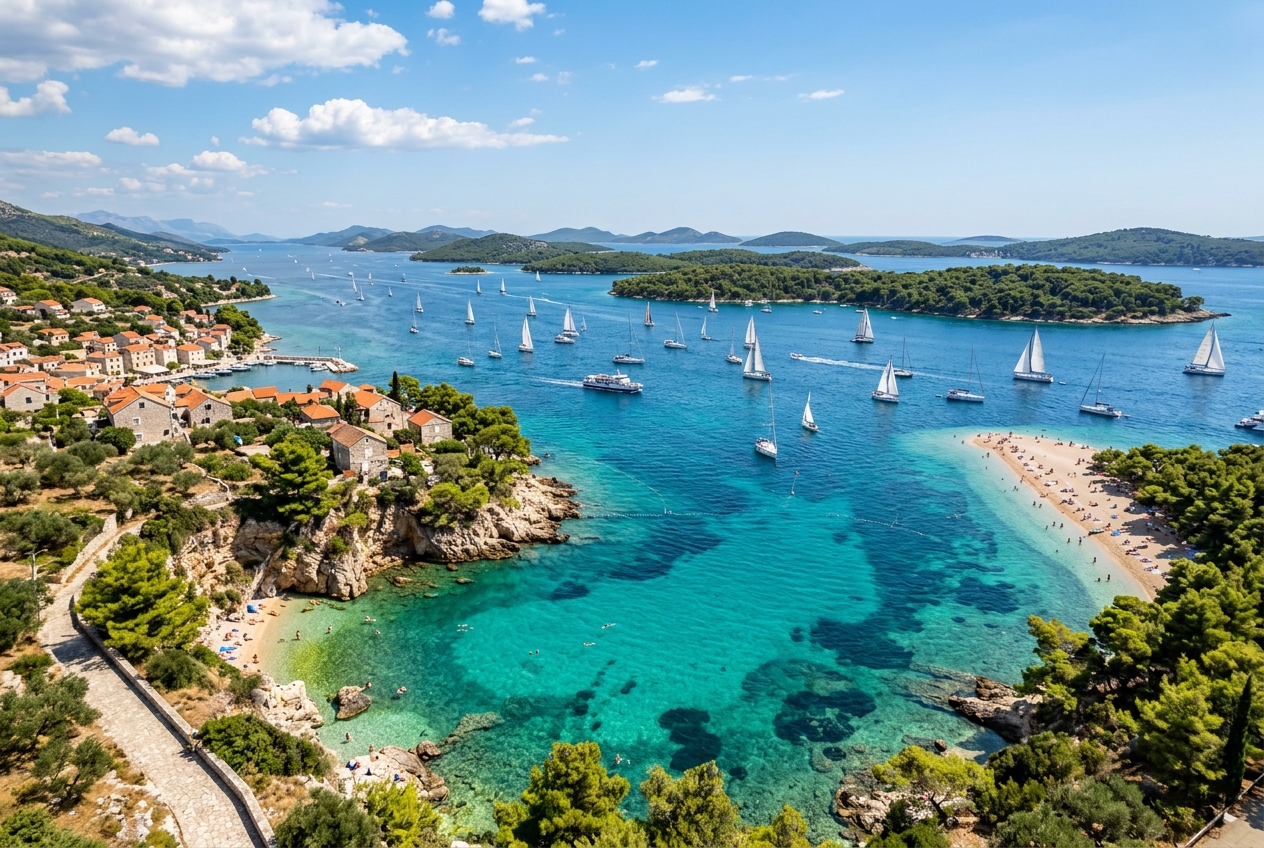
Croatia Travel Guide
Croatia's Adriatic coast, 1,185 islands and Roman ruins make it one of Europe's most absorbing holiday destinations.
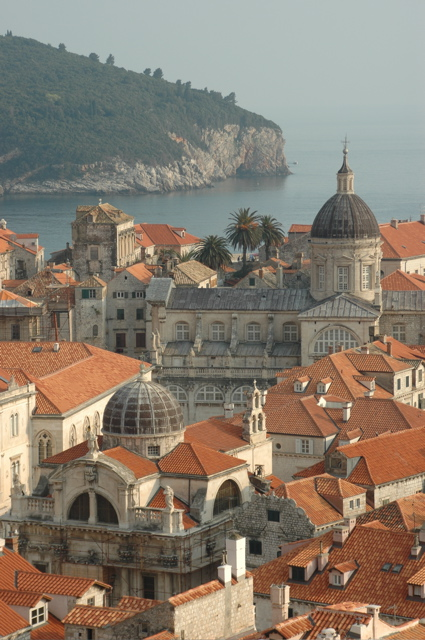
Dubrovnik Travel Guide
A walled medieval city on the Dalmatian coast, rebuilt after the 90s and now one of the Mediterranean's signature destinations.
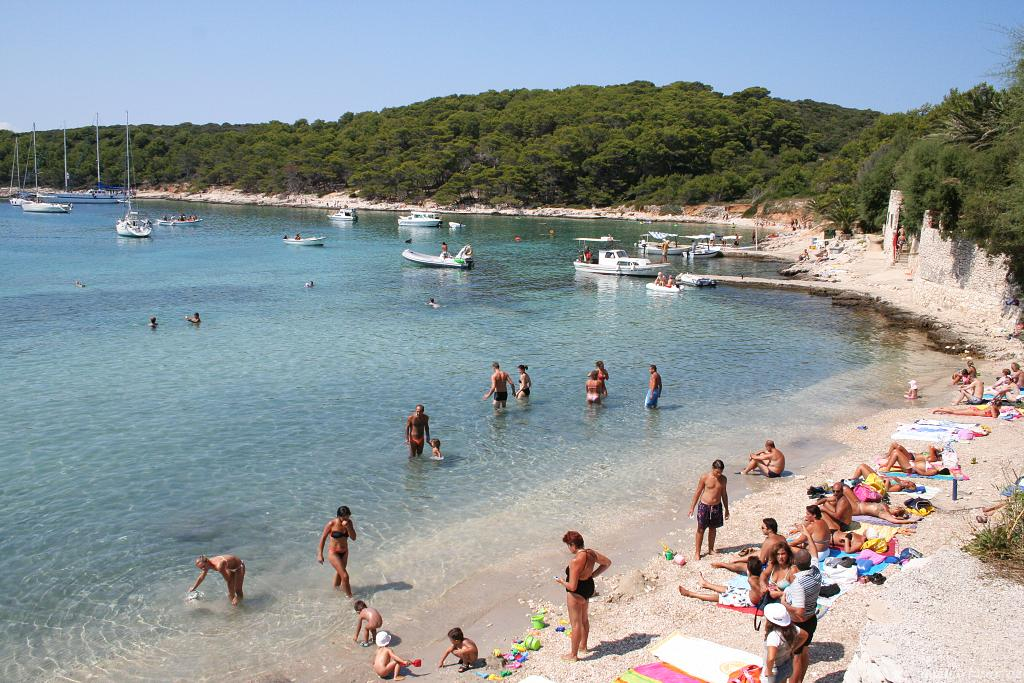
Hvar Travel Guide
Hvar town is the island's tourism centre, built around one of the largest and most beautiful squares in Croatia.
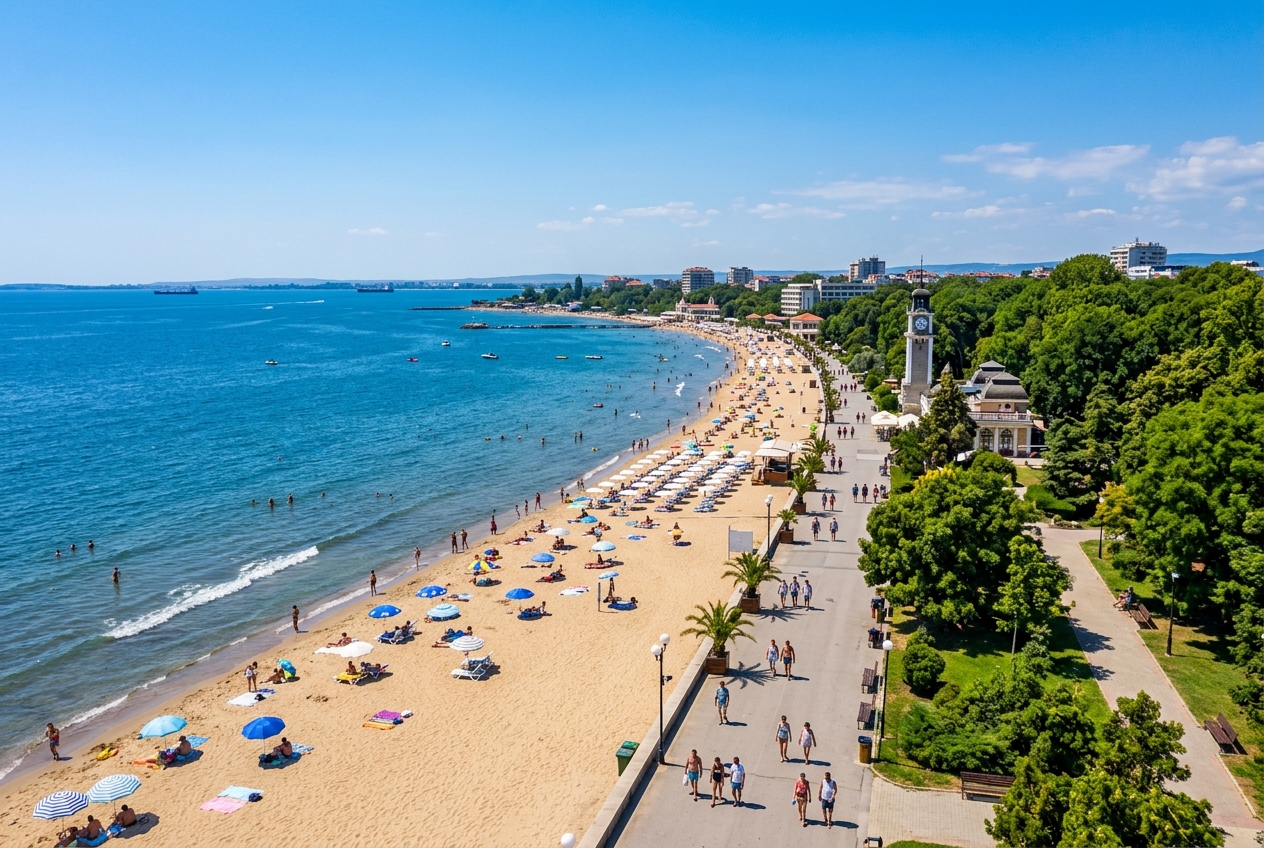
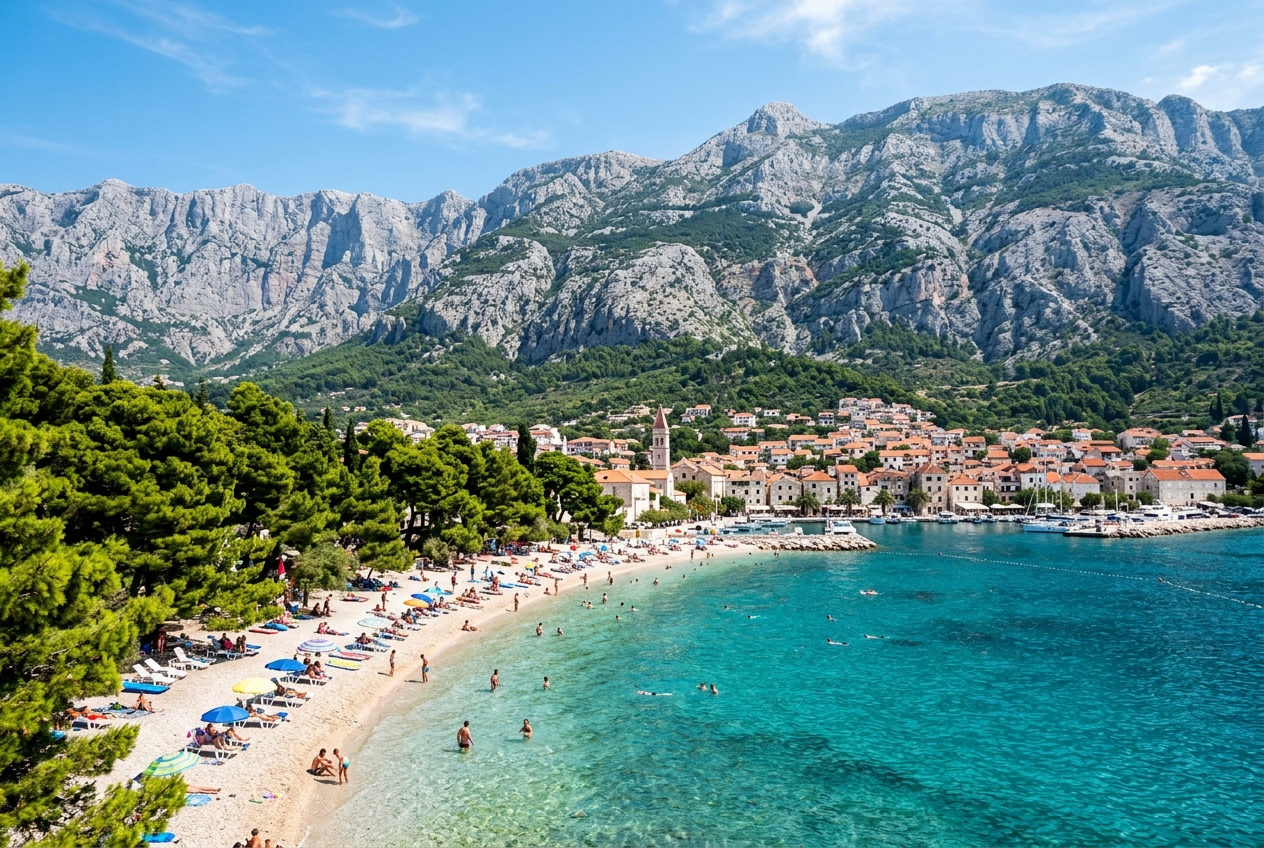
Makarska Travel Guide
Makarska grew around a natural harbour between the Cetina and Neretva rivers, beneath a picturesque peninsula.